Save the planet and your wallet with a handyman on a cargo bike!

In its latest commercial, Dutch insurer ASR illustrates nicely how it is often better to repair wood flooring in a sustainable way than to replace it. MrFix does that too: we help Customers to repair and improve their homes & appliances instead of scrapping things. For example, before every paint job we ask if you would like to reuse leftover paint.

This way you & we save natural resources (deforestation!), transport (CO2 emissions!) and waste (soil and air pollution!). MrFix works sustainably in many more ways. For example, we explain here that we try to avoid unnecessary inspection visits and always look for an expert for your job who lives near you.

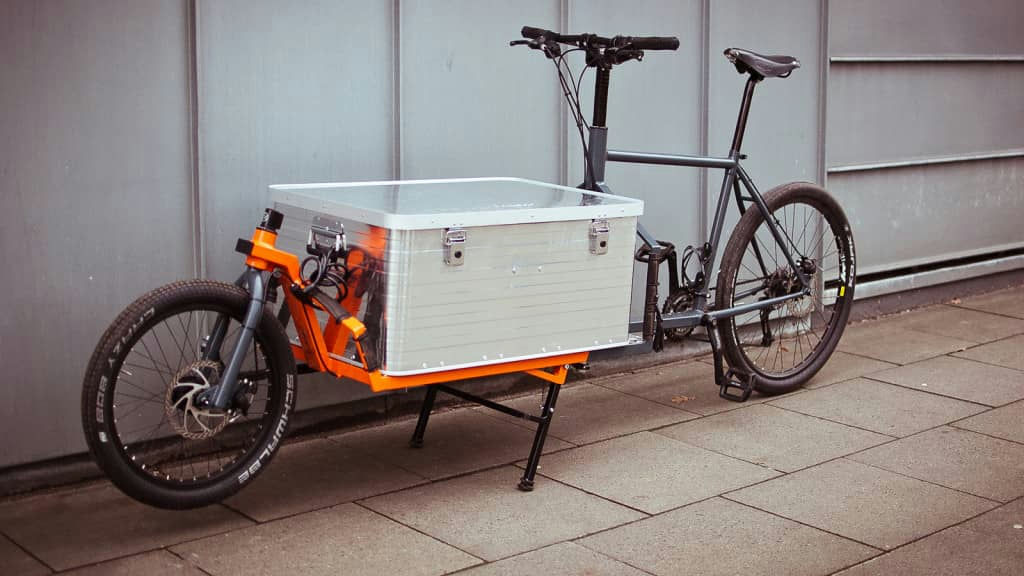
An extra advantage of getting a local expert is that he can come by (cargo) bike. This saves both the environment and parking costs! Our home repair hero Richard has been riding his electric cargo bike all over Amsterdam to help MrFix Customers.

Richard only rents a van when necessary but prefers to use his cargo bike. First of all because it is environmentally friendly, but also because he can park it anywhere. This saves a lot of time, especially in Central Amsterdam where it is easier to get through the oft-blocked canals, streets and alleys! Richard can carry up to 200 kilos of tools & materials on his cargo bike.

Do you want your job done in a sustainable way by one of our home repair heroes? You can do so via our site or 020-6750333 (Mon-Sat 8:30-18:00h). Do mention it if you prefer an expert who comes by (cargo) bike!

Who cleans up after the job?

Both Customers and contractors often ask us who is actually responsible for cleaning up after the job. The simple answer is: agree that clearly with each other before the job starts. But please make sure first that it is clear how the expert (= contractor) will keep the Customer’s home as clean as possible.

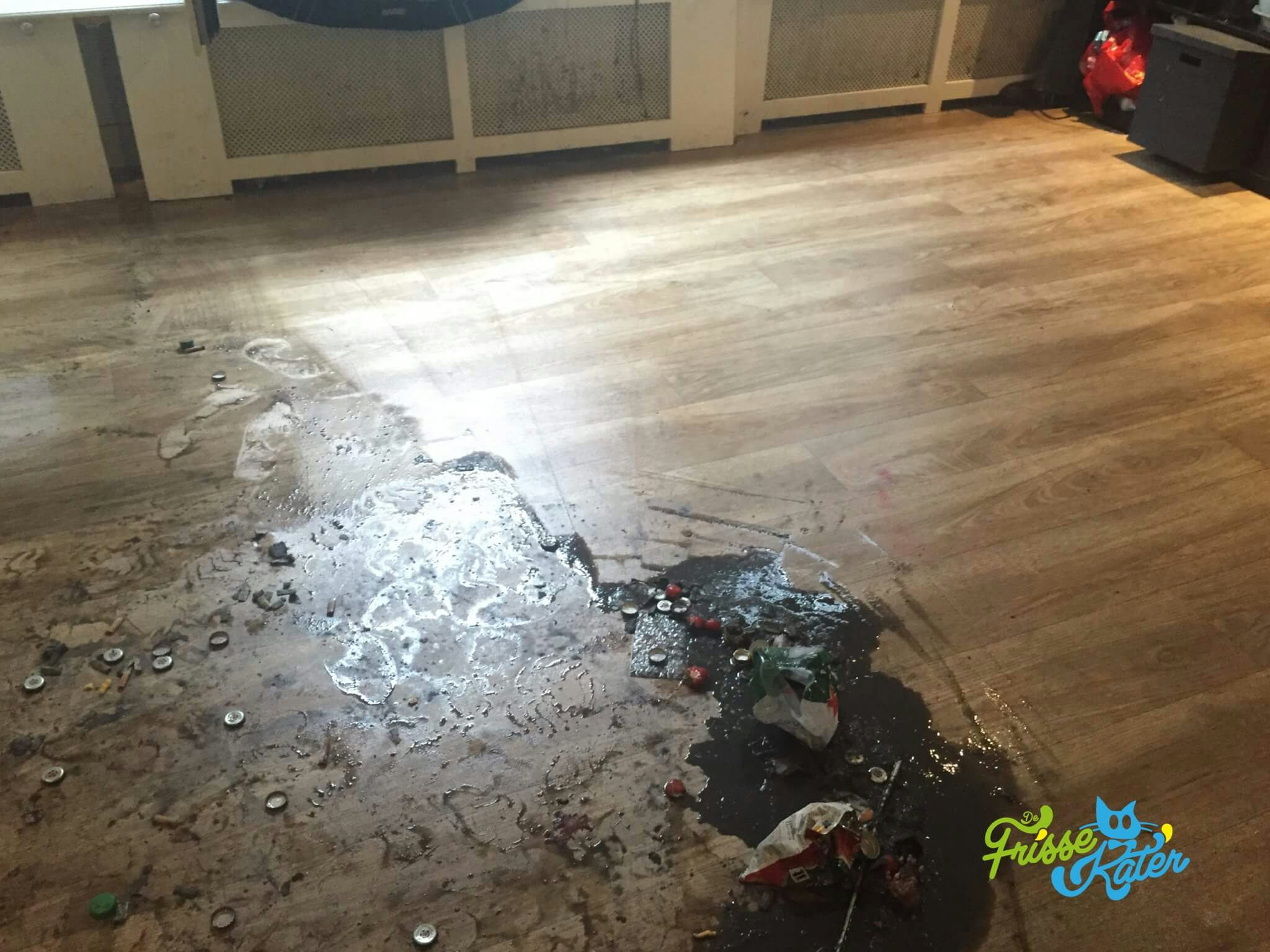
For example, for plastering & painting jobs it is to key to cover the floor properly. One of our floor specialists checked a large number of stains on a Customer’s wooden floor last week and found that a plasterer had caused them. Now the plasterer has to sand & varnish that floor or even replace it!

MrFix has drawn up the following standards based on more than ten years of experience in solving these kinds of problems.

Firstly, before starting the job:

  • The expert announces in advance in the WhatsApp group which measures he will take to protect the home: laying protective floor sheeting in communal areas and the home, removing/covering furniture, etc
  • The contractor should know the rules for waste collection at the job address. He says in advance whether he expects to need to hire a waste container (and in that case he arranges the permit) and/or to take waste to a collection point
  • The Customer states in advance if he/she requires additional measures. For example, a Customer recently asked a painter to close the cracks under doors so that the dust from his sanding work would not get into other rooms

In principle, the expert carries out these preparations and cleans up afterwards, unless he & the Customer agree explicitly that the Customer or a third party will do so. After completion of the job:

  • The contractor reports what material is left and the Customer decides whether the expert can/should take it with him
  • The expert removes all such material and his tools
  • The contractor cleans up. We have not found a legal definition of “clean” but we have found a good starting point: ‘broom clean’, the way a seller should leave a house. Property agent Bart puts it nicely (in Dutch) here: “Just a quick vacuum throughout the house, a broom through the shed and a cloth over the kitchen worktop. So the new owners can not see what was done there before”
  • The expert places back any furniture that has been moved and remove any protective material
  • The expert shares the ‘After photo’ of the workplace in the WhatsApp group
  • The contractor invoices (via MrFix) the time spent preparing, clearing up and cleaning up, as well as any external costs such as the hire of waste containers and disposal costs at the waste disposal station
  • Please note that a contractor always has to pay for dumping waste while a private person can often dump his own waste (or even have it collected) free of charge
  • If the Customer is not satisfied with the clearing up or cleaning, he should report this in the WhatsApp group within 24 hours of completion and the expert should rectify this at his own expense as soon as possible

MrFix helps the Customer and the contractor to resolve any differences of opinion via the Whatsapp group: we have supported tens of thousands of jobs and note of them has led to a legal dispute. In the worst case, the expert or a professional cleaner (through MrFix or not) comes to clean up at the contractor’s expense.

Don’t let the upcoming frost explode your pipes & taps!

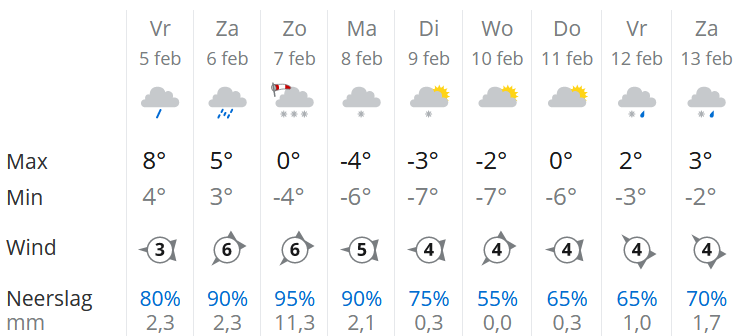
It looks like the coming week will be freezing cold: we’re looking forward to having fun in the snow and on ice! Are you so Dutch that you’re going to get your skates or sled from the shed, attic or cellar? Then check the taps and water pipes while you’re there! MrFix gives you tips to prevent them from freezing. And tips for when they do burst!

When water freezes, it expands: the forces involved are so strong that they can even destroy the solid metal of water pipes, taps and water meters. Let’s start with our top tips for preventing them from freezing:

  • Check not only water pipes and taps, but also the water meter and the main valve. You should also empty the sink of any toilet in a cold place
  • Keep the temperature in rooms with water pipes and taps above 14° Celsius (that’s 57° Fahrenheit). Always leave the heating on, even if it is only at 14°
  • Close and drain pipes in rooms where the temperature is below 14°, as well as any outside faucet
  • If this is not possible, insulate them with special insulation material for pipes or even old blankets and clothes
  • Order electrical heating tape now and wrap it around the most vulnerable parts of the pipes

What if things go wrong and a pipe or tap does freeze? Don’t panic, MrFix has collected tips from this interview (in Dutch, sorry) of regional water utility Waterleiding Maatschappij Drenthe (WMD) by RTV Drenthe:

  • To be on the safe side, first turn off the main water valve. But first fill a bottle, bucket and/or kettle with some backup water
  • Check the frozen pipe for cracks. If the pipe is not cracked you can warm it up, for example with a fan heater and/or hair dryer
  • If it is cracked, the WMD recommends you turn off the main valve immediately (MrFix advises you to do this first anyway) and then requesting a plumber: “That’s not what the WMD is for”. MrFix can get you a plumber quickly, if you wish
  • Your home contents insurance will often cover the costs of the repair and any water damage